Source Water Resistant Windproof Windbreaker Jacket for Outdoor, Work, and Casual Use
Compare 30 listings for water resistant windproof windbreaker jacket options featuring polyester materials, various sizes, and customization services. Buyers can evaluate features like windproof, waterproof, and breathable properties across different styles and suppliers.
Key considerations
Products List


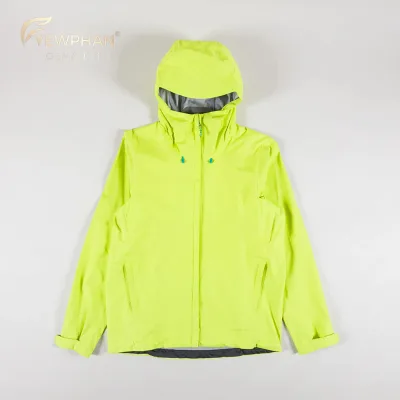


Comprehensive Sourcing Guide
Water Resistant Windproof Windbreaker Jacket Sourcing Guide
Sourcing a water-resistant windproof windbreaker jacket requires distinguishing between casual leisure wear and specialized work clothing, as the supplied market data reveals a split in product intent. Buyers must verify whether the target item is designed for spring and autumn casual use or winter work environments, since the observed listings include both lightweight polyester options and thick, padded variants with high collars. This distinction dictates the necessary fabric weight and insulation properties, ensuring the selected supplier can deliver a garment that matches the specific seasonal and functional requirements of your end users.
Commercial viability in this category depends heavily on understanding the customization landscape, where features like discharge printing and color customization are standard offerings. Procurement teams should prioritize suppliers who explicitly list OEM services and offer tailored sizing, as the market data indicates a strong presence of customized models ranging from standard S sizes to fully bespoke dimensions. Aligning your order specifications with these available customization capabilities early in the negotiation process prevents costly delays and ensures the final product meets the precise aesthetic and functional criteria of your brand.
Product Scope and Observed Listing Signals
The current market for water-resistant windproof windbreakers presents a diverse range of styles, from motorcycle-inspired designs to padded leisure jackets, all primarily constructed from polyester. Buyers should note that while many listings emphasize features like windproofing and waterproofing, the specific application varies significantly; some products are categorized as casual clothes suitable for spring and autumn, while others are explicitly labeled as work clothing with anti-static and dust-proof properties for winter conditions. This variance necessitates a careful review of the product description to ensure the jacket's intended use aligns with your target demographic, whether that be adult men, women, or unisex consumers.
Listing signals also reveal critical details about construction and finishing, such as the use of coated processing types and specific collar styles like collarless or high collars. The observed data includes models with long sleeves and varying thickness levels, indicating that a single supplier may offer a portfolio of jackets suitable for different climate zones. When evaluating listings, buyers must look beyond the generic "jacket" label and scrutinize attributes like the "Pattern" (e.g., Leisure Jacket) and "Style" (e.g., Padded, Medium) to confirm the garment's actual performance profile and aesthetic appeal.
Technical Specifications to Verify
Verifying the technical integrity of the fabric is paramount, as the core material for most observed listings is polyester, often treated with coating processes to achieve water and wind resistance. Buyers must confirm the specific weight of the fabric, as one observed standard lists a weight of 120 g, which serves as a benchmark for lightweight windbreakers, while other winter-specific models require thick, padded constructions. It is essential to request detailed fabric specifications that confirm the presence of the claimed features, such as breathability, anti-static properties, and dust-proofing, to ensure the material will perform under the expected environmental conditions.
Sleeve length and collar type are additional technical parameters that significantly impact the jacket's functionality and comfort. While some models are described with long sleeves, others in the dataset present conflicting or specific attributes like "Long Sleeveless," which requires immediate clarification to avoid receiving an unintended product design. Furthermore, the collar style, ranging from collarless to high collars, directly affects protection against wind and cold; buyers should verify that the selected model's collar design matches the thermal and protective needs of the intended user group.
Compliance and Safety Documentation
Safety and compliance in the work clothing sector are non-negotiable, particularly for jackets marketed with features like anti-static and dust-proof capabilities. Buyers must request evidence of needle detection compliance, as the supplied data explicitly notes that certain models undergo this critical safety check to prevent metal contamination in the final product. This verification is especially important for garments intended for industrial or work environments where safety standards are strictly enforced, and the absence of such documentation could pose significant liability risks for the importer.
Quality standards also extend to the production process and material safety, requiring suppliers to provide clear documentation on their manufacturing protocols. While specific certification names are not universally listed in the observed data, buyers should demand proof that the polyester fabric and any chemical treatments used in the coating or dyeing processes meet relevant international safety standards. Ensuring that the supplier adheres to a defined production standard, whether labeled as "medium" or "customized," is essential for maintaining consistent quality and safety across all units in the order.
Cost Drivers and Commercial Terms
The cost structure for these jackets is heavily influenced by the level of customization and the complexity of the finishing processes involved. Orders requiring custom colors, discharge printing, or specific model numbers like YS-1688 or BF24-WP-006 will incur higher unit costs compared to standard stock items. Additionally, the choice of fabric weight and the inclusion of padding or specialized coatings for winter conditions will further drive up the price, making it crucial for buyers to balance their budget against the specific performance features required for their market.
Commercial terms regarding lead times and minimum order quantities (MOQ) are critical factors in the procurement timeline. The observed data indicates a lead time of approximately 30 working days after the PP sample is confirmed, a duration that must be factored into the overall supply chain planning. Furthermore, MOQs typically range from 50 to 1000 pieces, meaning buyers must assess their inventory needs carefully to meet these thresholds without overstocking, while also negotiating flexible terms for smaller initial orders if the supplier is open to such arrangements.
Supplier Qualification and Quality Control
Supplier qualification should focus on their ability to deliver consistent quality across customized orders, as evidenced by their adherence to specific production standards and packing protocols. Buyers must verify that the supplier utilizes reliable packing methods, such as 1PC per polybag with 10 pieces per carton, or alternative methods like PP bags and paper cartons, to ensure the jackets arrive in pristine condition. The presence of a dedicated needle detection process and a clear supply type, such as OEM service, indicates a mature manufacturing capability capable of handling complex orders with precision.
Quality control measures must be rigorous, extending from the initial fabric selection to the final inspection before shipment. Buyers should insist on pre-production samples that accurately reflect the requested features, including color, size, and technical attributes like windproofing and waterproofing. Given the variation in observed styles and models, it is vital to establish a clear quality acceptance criteria that covers all listed specifications, ensuring that the final delivered goods match the approved sample in every detail.
Long-Term Procurement Checks
Establishing a long-term partnership requires regular audits of the supplier's ability to maintain consistent quality and adhere to agreed-upon timelines. Buyers should implement a system for periodic review of production batches to ensure that the polyester fabric, coating processes, and finishing details remain consistent with the initial specifications. This proactive approach helps identify any drift in quality or changes in material sourcing that could compromise the performance of the water-resistant and windproof features over time.
Continuous communication regarding market trends and product evolution is also essential for maintaining a competitive edge. As the market offers a wide array of styles from casual to work-oriented jackets, buyers should stay informed about new model releases and technological advancements in fabric treatment. By maintaining a close relationship with the supplier, procurement teams can anticipate changes in supply chain dynamics, such as shifts in lead times or material availability, and adjust their strategies accordingly to ensure a stable and reliable supply of high-quality windbreakers.
FAQs
What materials are used for these jackets?
The jackets are primarily constructed from polyester fabric. This material choice supports the windproof and waterproof features required for outdoor wear. The coating process enhances durability and weather resistance. Buyers can expect a balance of breathability and protection suitable for spring, autumn, or winter seasons depending on the specific model selected.
Can I customize the color and size?
Yes, customization is available for both color and size. Buyers can request specific colors, including black or multi-color options, and tailored sizes. This service allows for brand-specific requirements. The customization process ensures that the final product meets exact design specifications while maintaining the core functional attributes of the garment.
What is the typical delivery time?
The delivery time is 30 working days after the pre-production sample is confirmed. This timeline applies to standard production runs. Buyers should account for this period when planning inventory. The lead time ensures quality control and proper manufacturing execution before the goods are shipped via sea transportation.
Are these jackets suitable for motorcycle use?
Yes, specific models are identified as motorcycle jackets. These items offer windproof and dust-proof protection essential for riding. The padded style and thick fabric provide additional warmth and safety. The design caters to adults seeking functional outerwear that combines casual style with protective performance for motorcycling activities.
What is the minimum order quantity?
The minimum order quantity ranges from 50 to 1000 pieces. This flexibility accommodates different buyer needs, from small trials to large bulk orders. The MOQ depends on the specific product model and customization requirements. Buyers should confirm the exact MOQ with the supplier based on their desired specifications and production volume.
How are the jackets packed for shipping?
Jackets are packed in polybags or PP bags, with 10 pieces per carton. This packaging method protects the garments during transit. Sea transportation is the standard shipping mode. The packaging ensures that the items remain clean and undamaged upon arrival, facilitating easy storage and distribution for the buyer.